
Network on Humanitarian Action
International Association of Universities
Network on Humanitarian Action
International Association of Universities
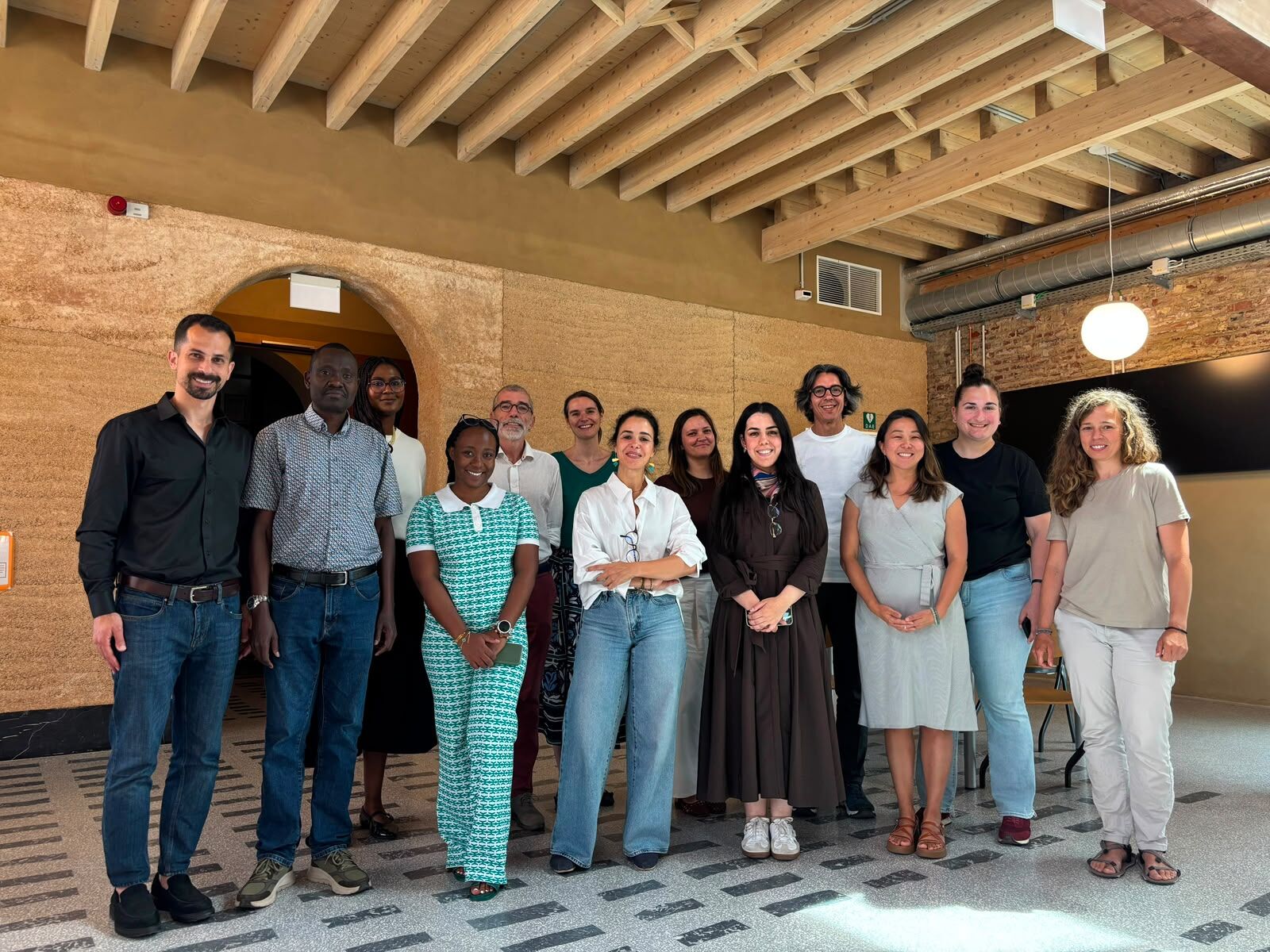
From 6–10 July 2026, NOHA brought together 14 humanitarian practitioners, development and peacebuilding professionals, diplomats and other actors in Brussels, Belgium, for an Advanced Training on the Protection of Civilians in Humanitarian Settings. The five-day training focused on proactive approaches to civilian protection—moving beyond responding to the consequences of violence towards practical measures that can help prevent or reduce threats to civilians in conflict settings. The training was organised as part of the Consortium for Civilian Safety and Security, a collaboration between NOHA, ODI Global and Nonviolent Peaceforce, with the support of the Belgian Ministry of Foreign Affairs. The consortium's training programme seeks to strengthen practical approaches to reducing threats of violence against civilians.
Learning through practice
A distinctive feature of the Brussels training was its strong emphasis on experiential and peer learning. Rather than relying on traditional lecture-based teaching, approximately 70% of the training was practical and participatory, using skills-based exercises and role plays to allow participants to practise approaches they could apply in their professional work.
Participants worked through a series of interconnected approaches to proactive protection, beginning with Protection as Safety and Security and Community-Based Safety and Security Analysis. They then explored how humanitarian actors could use their presence strategically to reduce harm, engage with armed actors, negotiate for protection outcomes, support mediation processes, and develop early-warning and evacuation mechanisms.
The training also addressed how these different approaches could be combined as part of a broader protection strategy, rather than treated as separate interventions.
From understanding threats to reducing harm
Throughout the training, participants considered how protection actors could better understand the threats faced by civilians and identify practical opportunities to prevent or mitigate harm.
This included examining how communities understand and respond to threats, how humanitarian presence can influence civilian safety, and how constructive engagement with state and non-state armed actors can contribute to protection outcomes. Participants also developed practical interpersonal skills for negotiation and mediation, including building trust, managing difficult interlocutors and identifying appropriate options, red lines and alternatives.
The final part of the training focused on early warning and early response and on evaluating proactive protection strategies, helping participants consider not only what interventions can be undertaken, but also how their effectiveness and relevance can be assessed.
The Brussels training was facilitated by Jérôme Grimaud, a humanitarian practitioner and accredited mediator with extensive field experience in protection, humanitarian access, negotiation, mediation and dialogue facilitation.
This site uses cookies to enhance user experience and to track usage statistics. For more information, see NOHA’s Data Privacy Policy.